
Panniculectomy
Functional relief after weight loss
Ready to take the next step?
Overview
What is a Panniculectomy?
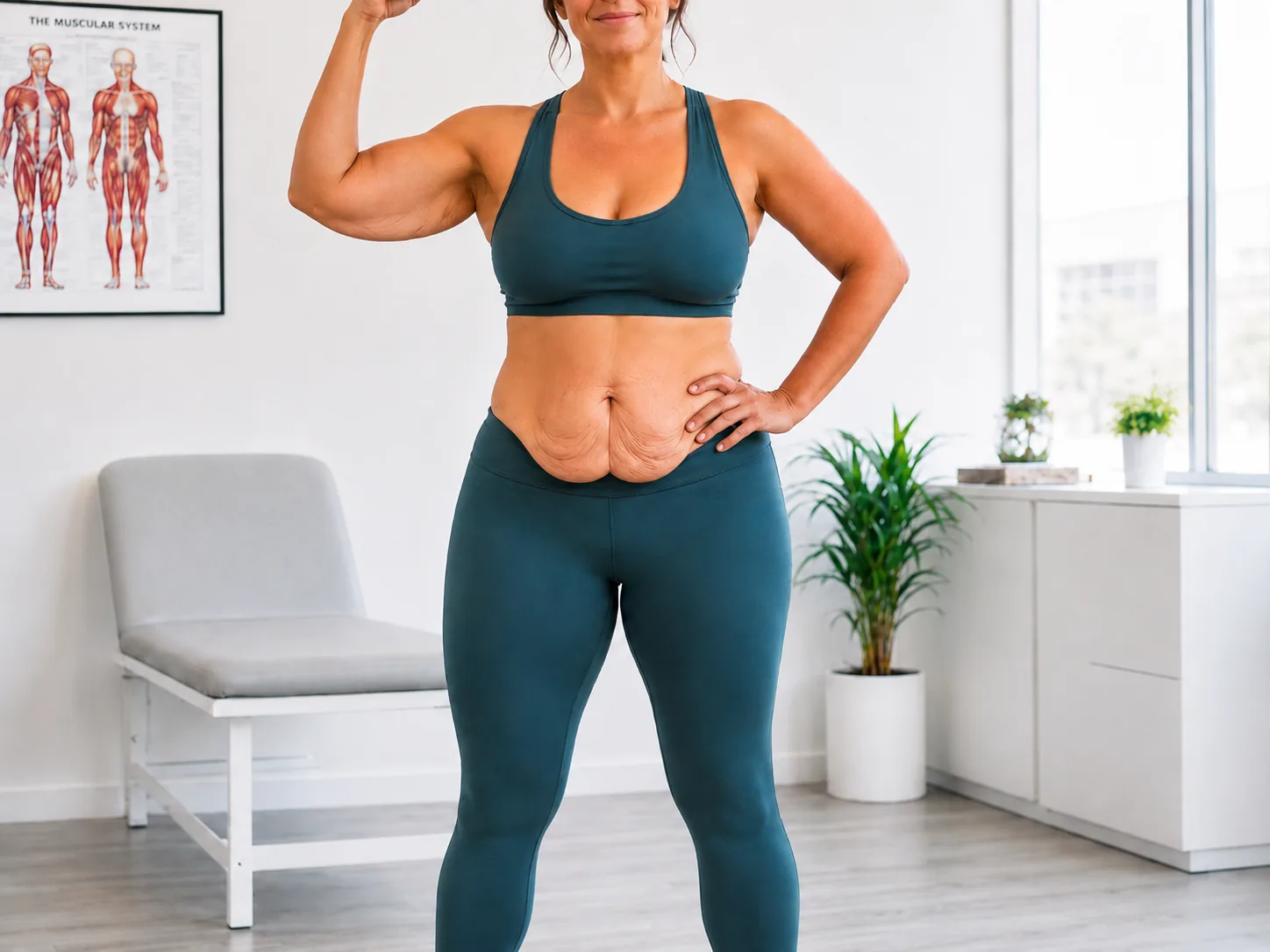
A panniculectomy removes the pannus — the apron of excess skin and tissue that hangs below the abdomen following significant weight loss or bariatric surgery. Unlike a cosmetic tummy tuck, a panniculectomy is a functional procedure that addresses medical problems caused by the overhanging skin, including chronic skin infections, rashes, ulcers, and difficulty with hygiene and mobility. It is frequently combined with cosmetic liposuction and a muscle repair to give much the same outcome of a tummy tuck.
Quick Facts
- AnesthesiaGeneral Anesthesia
- SettingOutpatient Surgery Center
- Recovery1–4 weeks
- CoverageMay be covered by insurance
Benefits
What a Panniculectomy can do for you
- Eliminates chronic skin infections and rashes beneath the pannus
- Improves hygiene and cleanliness
- Reduces difficulty walking and moving
- Improves the fit of clothing
- Often covered by insurance when medically necessary
- Significant improvement in quality of life
- Long-lasting results
Am I a Candidate?
Good candidates typically…
- Have significant overhanging abdominal skin (pannus)
- Have lost a significant amount of weight — generally more than 40 lbs
- Have moisture or skin rashes under their skin flap
- Have achieved a stable weight following bariatric surgery or significant weight loss
- Are non-smokers
- Are in good overall health
The Procedure
What to expect
A panniculectomy is performed under general anesthesia. Dr. Rosett makes a curved incision just above the pubic area and removes the overhanging pannus of skin and tissue. For patients with larger excess skin the panniculectomy can be extended onto the back or can be incorporated with a vertical "fleur de lis" component. Dr. Rosett will discuss the different options to improve your contour and help give you your confidence back. The procedure typically takes 3–5 hours.
Recovery
Your recovery timeline
Most patients return to desk work from home after less than a week, light activity within 2 weeks and resume normal activities within 4–6 weeks. Drains may be placed to remove excess fluid during early recovery. A compression garment is worn for several weeks.
Our Amazon Storefront
Browse our curated list of pre & post-surgical supplies to help you prepare and recover.
Insurance Coverage
This procedure may be covered by your insurance.
Our team will help you navigate the insurance verification and pre-authorization process. We work with most major insurance carriers and will advocate on your behalf to maximize your coverage.
FAQ
Frequently Asked Questions
Yes — panniculectomy is frequently covered by insurance when it is medically necessary. Coverage typically requires documentation of recurrent skin infections, rashes, or other functional problems caused by the pannus. Our team will assist you with the insurance verification and pre-authorization process.
Most insurance plans require documentation of recurrent skin infections, rashes, ulcers, or hygiene problems caused by the overhanging pannus. Photos, medical records showing treatment of skin conditions, and a letter of medical necessity from Dr. Rosett are typically required. Our team will help you compile this documentation.
Complete our online insurance verification form or call our office at 312-535-2200. Our team will review your insurance benefits, determine coverage requirements, and guide you through the pre-authorization process step by step.
Denials can often be successfully appealed with additional documentation. Dr. Rosett's team is experienced in the appeals process and will advocate on your behalf. We also offer financing options if coverage is ultimately not available.
A panniculectomy removes only the overhanging pannus of skin and tissue. A tummy tuck (abdominoplasty) also tightens the abdominal muscles and removes excess skin above the navel for a more comprehensive cosmetic result. A panniculectomy is a functional procedure often covered by insurance; a tummy tuck is cosmetic.
Most surgeons recommend waiting 12–18 months after bariatric surgery and achieving a stable weight before undergoing a panniculectomy. This ensures the best possible results and reduces surgical risk.
Most patients return to light activity within 2 weeks and resume normal activities within 4–6 weeks. Drains are typically placed for the first 1–2 weeks. A compression garment is worn for several weeks to support healing.
Yes, most patients have one or two small drains placed during surgery to remove excess fluid. These are typically removed at your first post-operative visit, usually within 1–2 weeks.
Coverage depends on your diagnosis, symptoms, medical documentation, surgical criteria, and the requirements of your individual plan. Our team can help you understand the verification and authorization process.
Rosett Plastic Surgery works with many commercial PPO plans. We are unfortunately unable to work with HMO plans, Medicare, or Medicaid.
Whether a referral is required depends on your insurance plan. Our insurance concierge can help confirm the steps required by your specific policy.
Insurance may request office notes, photographs, symptom history, prior treatments, measurements, or letters from other clinicians. Required documentation varies by procedure and plan.
An authorization is an important step, but coverage and patient responsibility are ultimately determined by your insurer and plan benefits. Our team will help you understand the information available before surgery.
Authorization timelines vary by insurer and the completeness of the required documentation. Our team will submit the information promptly and keep you informed of updates.
If a request is denied, the next step depends on the reason. Our team can review the response with you and discuss whether additional documentation, an appeal, or other options may be appropriate.
Even when a procedure is covered, deductibles, coinsurance, copayments, and non-covered items may apply. We will help you review the information provided by your plan before surgery.
Surgery is performed in an outpatient surgery setting. Your surgical setting and plan will be confirmed after your consultation and preoperative review.
The anesthesia plan depends on the extent of surgery and whether procedures are combined. Dr. Rosett and the anesthesia team will review the appropriate plan and safety considerations before surgery.
Preparation includes a medical review, medication guidance, nicotine cessation when applicable, and arranging help during early recovery. You will receive detailed preoperative instructions before surgery.
Yes. Nicotine can impair healing and increase complication risk. Dr. Rosett will provide specific cessation requirements and timing before considering surgery.
Some medications and supplements may need to be adjusted before surgery. Never stop a prescribed medication on your own; Dr. Rosett and your prescribing clinician will provide individualized guidance.
You will be monitored in recovery and sent home with written instructions, medication guidance, and a postoperative plan tailored to your surgery.
Time away from work depends on the procedure and the physical demands of your job. Your recommended timeline will be individualized during preoperative planning.
You should not drive while taking prescription pain medication or until you can move comfortably and safely. Dr. Rosett will advise you based on your recovery progress.
Walking is commonly encouraged early in recovery, while strenuous exercise and heavy lifting are delayed until healing is well underway. Your return-to-exercise plan will be based on your procedure and follow-up examinations.



Ready to get started?
Schedule a consultation with Dr. Rosett today.