

Breast Lift
Restore youthful shape and position
Ready to take the next step?
Overview
What is Breast Lift?
A breast lift, or mastopexy, raises and reshapes sagging breasts by removing excess skin and tightening the surrounding tissue. It restores a more youthful, uplifted contour without significantly changing breast size. A breast lift can be combined with augmentation or reduction for comprehensive reshaping.
Quick Facts
- AnesthesiaGeneral Anesthesia
- SettingOutpatient Surgery Center
- Recovery1–4 weeks
Benefits
What Breast Lift can do for you
- Raises and reshapes sagging breasts
- Repositions the nipple and areola to a more youthful position
- Reduces enlarged areolas
- Improves breast symmetry
- Restores confidence and body image
- Can be combined with augmentation or reduction
Am I a Candidate?
Good candidates typically…
- Have breasts that sag or have lost shape and volume
- Have nipples that point downward or fall below the breast crease
- Have stretched areolas
- Are at a stable weight
- Are not planning future pregnancies (which can affect results)
- Are in good overall health
The Procedure
What to expect
A breast lift is performed under general anesthesia. Dr. Rosett makes incisions around the areola and, depending on the degree of sagging, down the breast and along the breast fold. Excess skin is removed, the breast tissue is reshaped, and the nipple and areola are repositioned. The procedure typically takes 2–3 hours.
Recovery
Your recovery timeline
Most patients return to light activity within 1–2 weeks and resume full activities within 4–6 weeks. A surgical bra is worn during recovery. Scars fade significantly over 12–18 months.
Our Amazon Storefront
Browse our curated list of pre & post-surgical supplies to help you prepare and recover.
Surgical Techniques
Breast Lift Incision Options
The right incision technique depends on your breast size and shape, degree of sagging, skin quality, and personal goals. Dr. Rosett will recommend the most appropriate approach during your consultation.
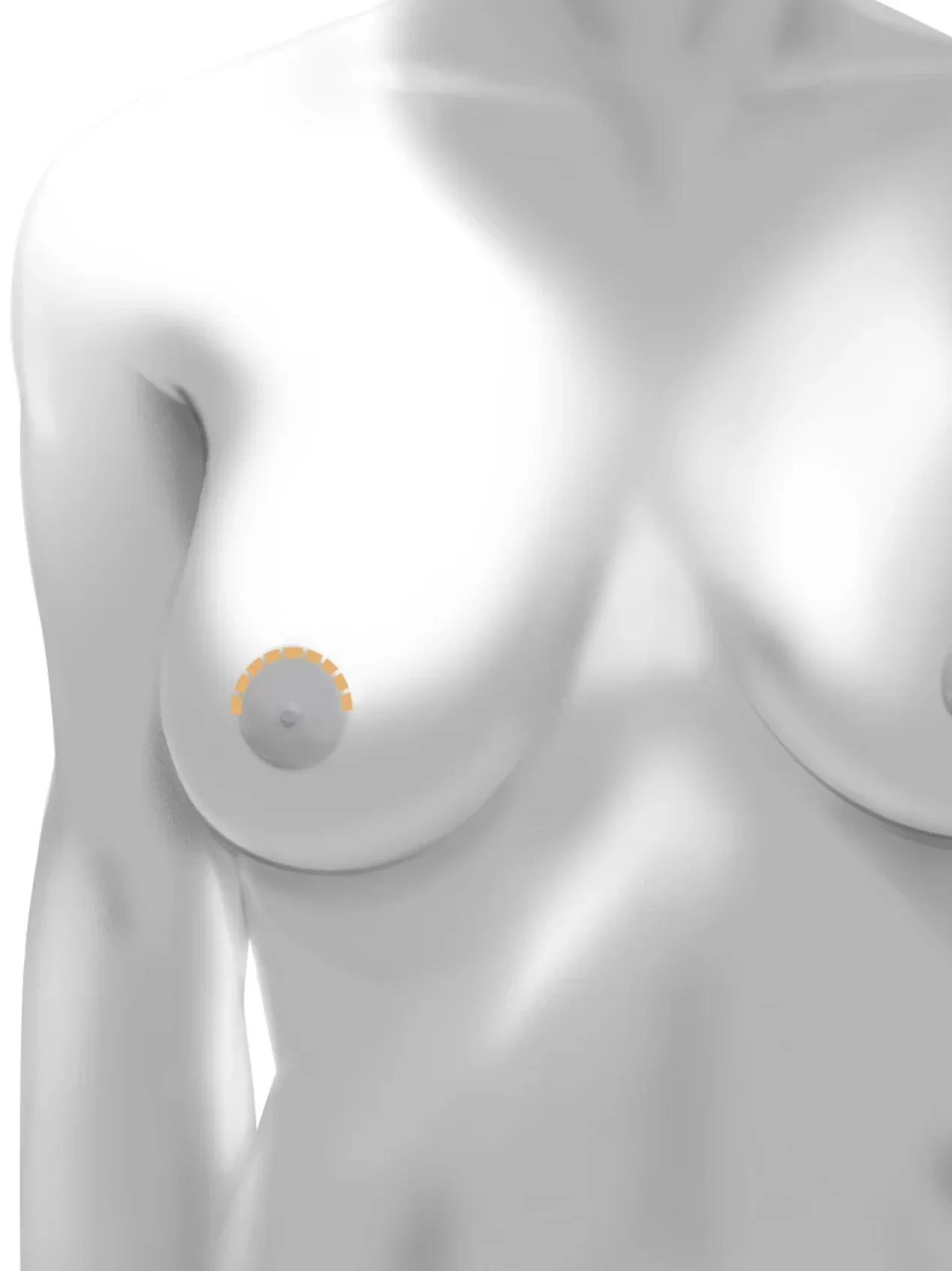
Crescent Incision
An incision along the upper half of the areola removes a crescent-shaped piece of skin and repositions the areola. Best for patients with very mild sagging, often combined with breast augmentation. Provides the least lift of all techniques.
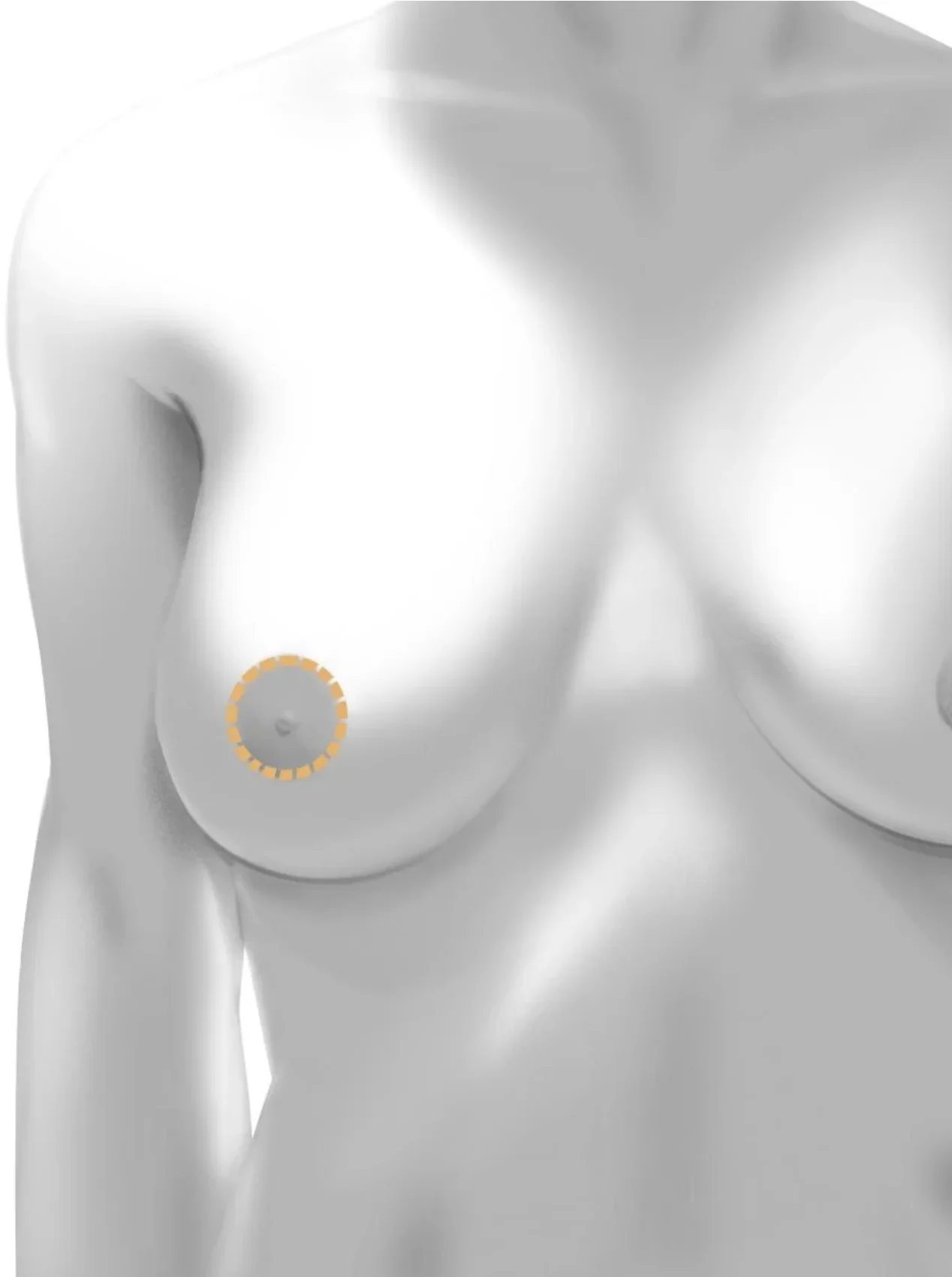
Donut / Periareolar
An incision around the full perimeter of the areola. Ideal for mild-to-moderate sagging. Highly skilled surgeons may use this technique for more pronounced sagging when combined with implants. Produces the least scarring of the multi-incision techniques.
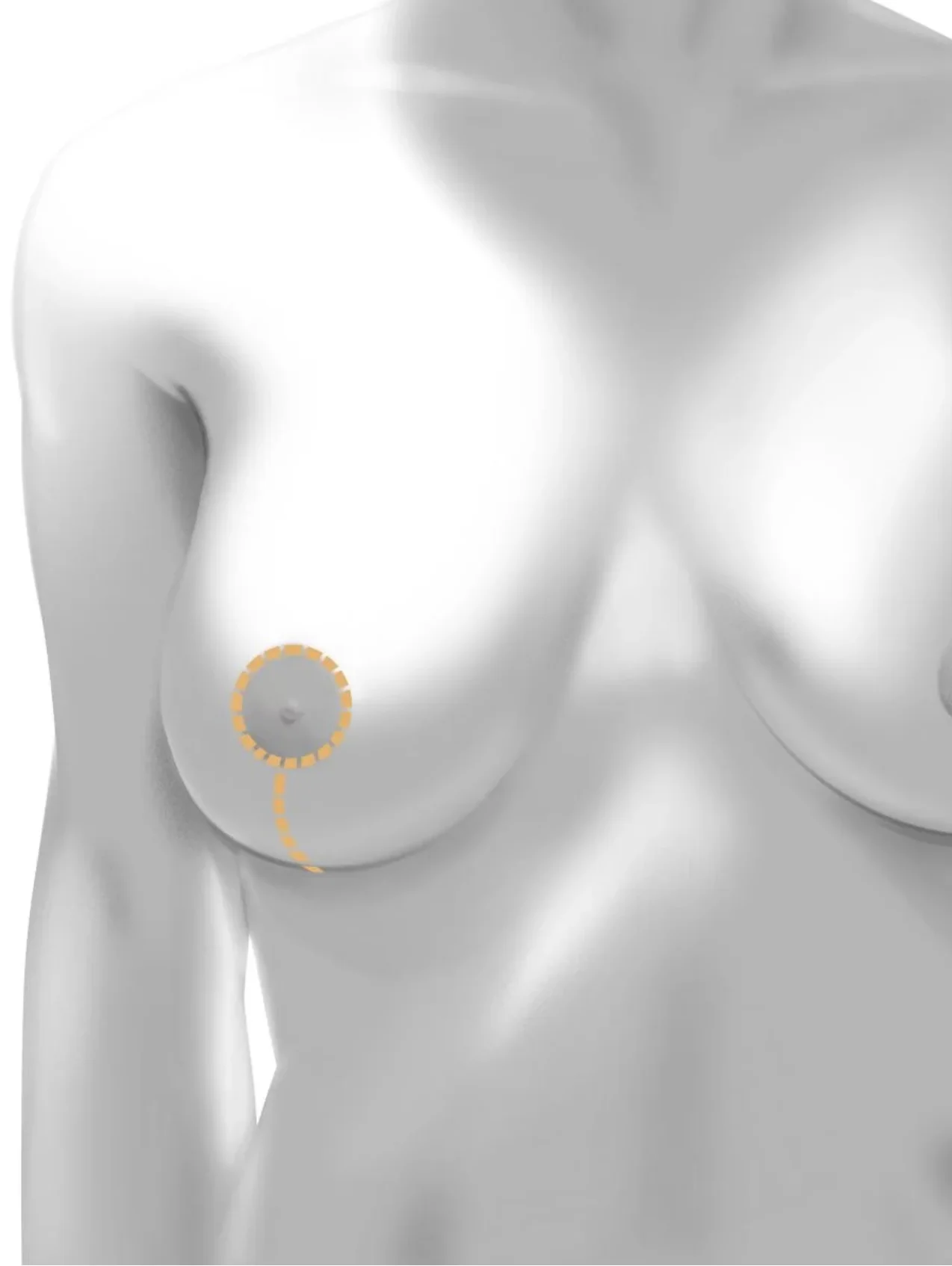
Lollipop / Keyhole
An incision around the areola and vertically down to the breast crease. The most commonly recommended technique for moderate sagging. Provides a good lift with moderate scarring, and is a versatile option for many patients.
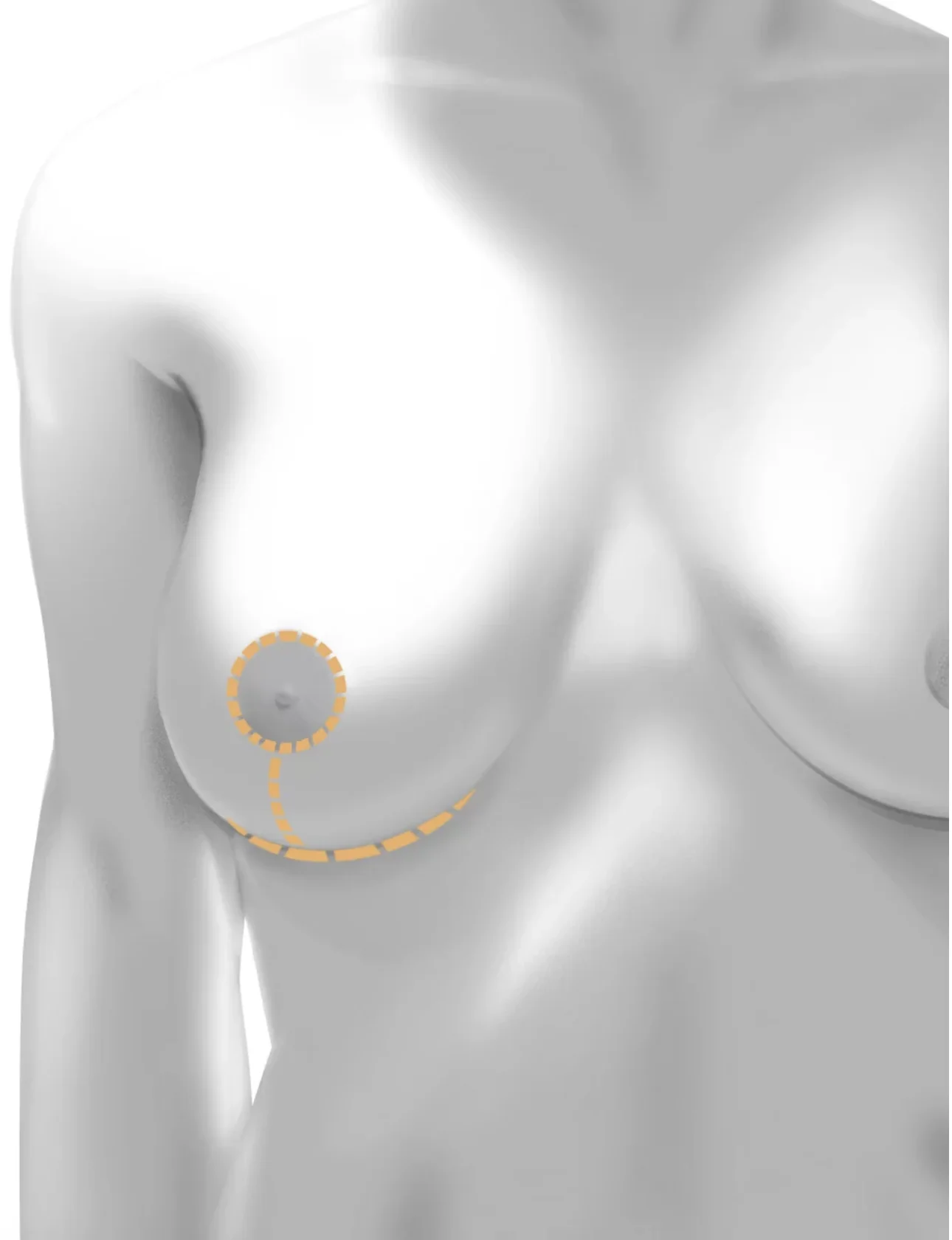
Anchor / Inverted-T
An incision around the areola, vertically down, and horizontally along the breast crease. Recommended for significant sagging or when combined with breast reduction. Provides the greatest lift and reshaping capability.
Incision diagrams courtesy of The Aesthetic Society. Dr. Rosett will recommend the most appropriate technique for your anatomy during your consultation.
FAQ
Frequently Asked Questions
A breast lift primarily changes the shape and position of the breasts, not the size. If you also want to increase or decrease size, a lift can be combined with augmentation or reduction.
Results are long-lasting, but natural aging, gravity, and weight changes can affect the breasts over time. Maintaining a stable weight helps preserve results.
Scars depend on the technique used. Most patients have scars around the areola and a vertical scar down to the breast fold. Some also have a horizontal scar in the fold. Dr. Rosett places incisions carefully and scars fade significantly over 12–18 months.
Yes — a breast lift with augmentation is one of the most popular combinations. The lift reshapes and elevates the breast while the implant restores volume. Dr. Rosett will advise whether this is the right approach for your anatomy and goals.
If your nipples sit at or below the breast fold, or if you have significant sagging, you likely need a lift. If you mainly want more volume with good skin tone and minimal sagging, augmentation alone may be sufficient. Dr. Rosett will evaluate your anatomy at your consultation.
Most patients return to light activity within 1–2 weeks. A surgical bra is worn for several weeks. Full activities including exercise can be resumed at 4–6 weeks.
Good candidates are in overall good health, have realistic goals, and are prepared to follow the recovery plan. Dr. Rosett will review your anatomy, medical history, and priorities during a personal consultation.
Surgery is performed in an outpatient surgery setting. Your surgical setting and plan will be confirmed after your consultation and preoperative review.
The anesthesia plan depends on the extent of surgery and whether procedures are combined. Dr. Rosett and the anesthesia team will review the appropriate plan and safety considerations before surgery.
Surgical time varies with the technique, your anatomy, and whether additional procedures are performed. Dr. Rosett will give you a more tailored estimate during your consultation.
Preparation typically includes a medical review, medication guidance, nicotine cessation when applicable, and arranging help for the first part of recovery. You will receive detailed preoperative instructions before surgery.
Yes. Nicotine can impair healing and increase complication risk. Dr. Rosett will provide specific cessation requirements and timing before considering surgery.
Some medications and supplements may need to be adjusted before surgery. Never stop a prescribed medication on your own; Dr. Rosett and your prescribing clinician will provide individualized guidance.
You will be monitored in recovery and sent home with written instructions, medication guidance, and a postoperative plan. The exact experience depends on the procedure and whether other surgeries are combined.
Discomfort varies by procedure and individual. Dr. Rosett uses a tailored pain-management plan and will explain what is expected, how to stay comfortable, and when to contact the office.
Time away from work depends on the physical demands of your job and the extent of surgery. Many patients plan for at least one to two weeks before returning to desk work, but your recommended timeline will be individualized.
You should not drive while taking prescription pain medication or until you can move comfortably and safely. Dr. Rosett will advise you based on your recovery progress.
Walking is commonly encouraged early in recovery, while strenuous exercise and heavy lifting are delayed until healing is well underway. Your return-to-exercise plan will be based on your procedure and follow-up examinations.
Some procedures benefit from a compression garment or surgical support garment to help with swelling and comfort. Dr. Rosett will let you know whether one is recommended and how long to wear it.
Swelling improves gradually and the timeline varies by procedure. Early changes are expected during the first weeks, while final contour and scar maturation can continue to evolve over several months.
You will usually see an early change soon after surgery, but final results develop gradually as swelling resolves and tissues settle. Dr. Rosett will explain the expected timeline for your specific procedure.
Any surgical procedure creates scars. Dr. Rosett plans incisions thoughtfully, and your scar appearance depends on the technique, your anatomy, skin type, and how you heal.
Follow your incision-care instructions, avoid nicotine, protect healing scars from sun exposure, and attend follow-up visits. Dr. Rosett may recommend scar-care products or treatments when appropriate.
In selected patients, Breast Lift may be combined with other procedures. Dr. Rosett will recommend combinations only when they are appropriate for your goals, health, and surgical safety.
Significant weight changes can affect surgical contours and skin quality. Reaching and maintaining a stable weight helps support long-term results whenever possible.



Ready to get started?
Schedule a consultation with Dr. Rosett today.